Why Customer Acquisition Matters More Than Lead Volume
Why Customer Acquisition Matters More Than Lead Volume
Many companies assume that declining sales can be fixed simply by increasing their marketing budget. When inbound inquiries slow down, they launch new campaigns, experiment with additional marketing channels, and invest more in demand generation.
In reality, the problem often isn’t the number of leads. It’s a poorly designed customer acquisition process.
Generating 100 leads every month means very little if only a handful become qualified sales opportunities. In that situation, increasing your marketing budget is like pouring more water into a leaking bucket—more leads come in, but more potential revenue is lost along the way.
That’s why successful customer acquisition begins with understanding the entire buyer journey.
Today’s buyers interact with brands multiple times before they’re ready to speak with sales. They might discover your company through an ad, read a blog post, follow your content on social media, download a resource, and only weeks later request a conversation.
Companies that consistently grow revenue don’t focus solely on generating new leads. They analyze every stage of the customer acquisition process—from the first website visit to the signed contract. This allows them to identify which acquisition channels generate real revenue opportunities and which simply inflate marketing reports. This is especially true in B2B sales.
Acquiring a customer doesn’t end when someone submits a contact form. Sales teams still need to respond quickly, understand the prospect’s business challenges, qualify the opportunity, and guide them through the buying process. Even the best marketing campaigns won’t deliver results if this part of the sales process breaks down.
Businesses that acquire customers consistently view sales as an interconnected system. Lead generation is only one piece of the puzzle. Lead qualification, response time, trust-building, and guiding buyers through every stage of the sales process are equally important. The most effective customer acquisition strategies don’t rely on a single marketing channel. They rely on a repeatable process that turns interest into predictable revenue.
Defining Your Target Audience Before You Start Marketing
One of the most expensive mistakes in marketing and sales is launching campaigns without a clearly defined target audience. Many businesses invest in SEO, paid advertising, and social media before answering a much more fundamental question:
Who are we actually trying to reach?
The result is predictable. Marketing budgets increase, website traffic grows, but the number of qualified sales conversations remains unchanged.
Every customer acquisition strategy should begin by understanding your ideal buyers.
Ask yourself:
- Who are your potential customers?
- What business challenges are they trying to solve?
- What influences their purchasing decisions?
- Where do they research potential vendors?
Without these answers, acquiring customers becomes significantly more difficult. You may attract website visitors, publish valuable content, and launch successful campaigns, but if your messaging doesn’t address genuine customer needs, conversion rates will remain low. Understanding your audience requires more than assumptions. The best-performing companies combine insights from sales calls, CRM data, customer surveys, and website analytics to understand how prospects behave throughout the buying journey.
Those insights help identify patterns that make marketing more relevant and sales conversations more effective. Businesses that consistently win new customers don’t try to appeal to everyone. They focus on a clearly defined audience, build messaging around specific business problems, and create content that directly addresses customer needs. The result is more efficient marketing, stronger conversion rates, and lower customer acquisition costs.

Customer Segmentation: The Foundation of Effective Customer Acquisition
Many organizations communicate with every prospect in exactly the same way.
The same messaging is sent to startups, small businesses, mid-sized companies, and large enterprises—even though their priorities, challenges, and buying processes are completely different. That’s where customer segmentation becomes essential.
Segmentation divides your market into groups with similar needs, behaviors, and purchasing motivations, making it possible to personalize both marketing and sales efforts. For example, a founder managing sales personally is looking for something very different than a VP of Sales leading a team of twenty people. They may be searching for the same solution, but they’re evaluating it through entirely different business objectives.
Customer segmentation also helps determine which acquisition channels deserve the greatest investment. Some audiences are highly active on LinkedIn and respond well to social selling. Others rely primarily on referrals, networking, or partner recommendations. The more accurately you segment your audience, the easier it becomes to identify high-value prospects and focus your budget where it will have the greatest business impact.
Instead of running broad campaigns that target everyone, successful companies invest in the customer segments most likely to convert into long-term revenue.
Content Marketing and Inbound Marketing Drive Sustainable Growth
Over the past few years, businesses have realized that aggressive sales tactics alone are no longer enough. Modern buyers want to educate themselves before speaking with sales. They compare vendors, consume content, and make informed purchasing decisions long before requesting a demo.
That’s why content marketing and inbound marketing have become essential components of customer acquisition.
High-quality content attracts buyers who are already looking for answers. Blog articles, industry reports, webinars, guides, and case studies help build trust before the first sales conversation even begins. As a result, prospects enter the pipeline better informed and more prepared to move forward. One of the biggest advantages of content marketing is its long-term impact. Paid advertising stops generating leads as soon as the budget runs out.
A well-written article or educational resource can continue attracting qualified traffic and generating leads for months—or even years. Inbound marketing follows the same principle. Instead of interrupting prospects with advertising, it attracts them through valuable content and helpful resources at the exact moment they’re searching for information. For many B2B companies, it’s one of the most reliable ways to build a predictable sales pipeline.
Publishing content alone, however, isn’t enough. To generate real business results, your content needs to answer buyers’ questions, support every stage of the purchasing journey, and naturally guide prospects toward becoming customers. That’s when content marketing evolves from a branding activity into a scalable customer acquisition engine.
How SEO Helps You Attract Qualified Customers
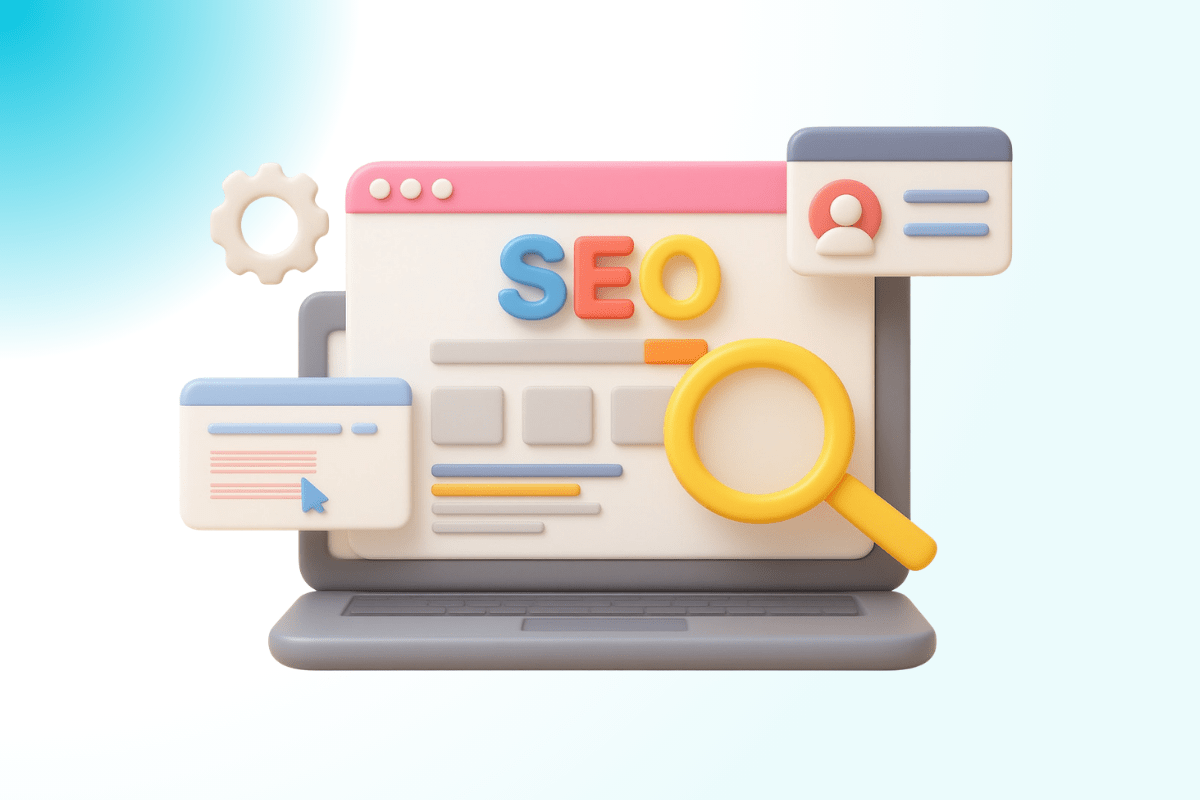
Most businesses associate SEO with higher Google rankings. In reality, rankings are only a means to an end. The real goal is attracting potential customers who are actively searching for a solution to a specific problem.
That’s what makes SEO such a powerful customer acquisition channel.
Someone searching for a service or product is usually much closer to making a purchasing decision than someone who simply comes across a social media ad. A well-executed SEO strategy captures demand at every stage of the buyer journey. Some visitors are researching available solutions, others are comparing vendors, and some are already looking for a company to contact. This allows businesses to build a predictable acquisition funnel filled with prospects who already have purchase intent.
Data analysis plays an equally important role.
Growing website traffic alone isn’t enough. The real questions are:
- Which pages generate qualified leads?
- Which keywords drive revenue rather than just clicks?
- Which content contributes to actual sales?
Answering these questions allows businesses to focus their SEO efforts on activities that generate measurable commercial results. Perhaps the biggest advantage of SEO is its compounding effect.
Every high-quality article, guide, or case study strengthens your online visibility and continues attracting qualified prospects long after it’s published—without requiring ongoing advertising spend.
Paid Advertising and Retargeting: When Should You Invest?
Organic growth takes time. For many businesses, paid advertising is the fastest way to reach potential customers, validate messaging, and generate immediate demand. One of its biggest advantages is speed.
Companies can launch campaigns quickly, test different audiences, refine messaging, and identify which acquisition channels produce the highest-quality leads. The challenge begins when paid advertising becomes the only source of new business. Customer acquisition costs continue to rise, competition increases, and every new lead depends entirely on advertising spend. The moment campaigns stop, lead generation often stops as well.
That’s why retargeting has become an essential part of modern marketing. Most buyers don’t convert during their first visit. They might explore your website, read a case study, download a guide, and leave—only to return days or weeks later when they’re ready to take the next step. Retargeting keeps your brand visible throughout that decision-making process. Because these campaigns target people who already know your company, conversion rates are typically much higher than campaigns aimed at completely new audiences.
Rather than replacing customer acquisition efforts, retargeting strengthens them by helping interested prospects move closer to becoming customers.
Social Selling: Building Trust Before the Sales Conversation
A few years ago, social media was primarily viewed as a branding channel. Today, it’s become one of the most effective customer acquisition channels in B2B. Social selling isn’t about sending hundreds of unsolicited LinkedIn messages. It’s about building credibility before a sales conversation ever begins.
Companies achieve this by sharing valuable insights, participating in industry discussions, and consistently demonstrating expertise through content. As a result, prospects become familiar with the brand long before they speak with sales. When buyers already recognize your company, understand your perspective, and trust your expertise, sales conversations become significantly more productive.
Social selling is particularly effective in industries with long buying cycles and multiple decision-makers. In these situations, building trust over time often has a greater impact than any individual advertising campaign. Success, however, isn’t determined by how frequently you post. It’s determined by whether your content addresses real business challenges and provides genuine value to your target audience.
When done well, social media becomes much more than a communication channel. It becomes a scalable engine for generating qualified business opportunities.
Networking and Referral Programs: Turning Relationships Into Revenue
In B2B, many deals don’t begin with a Google search or a contact form. They begin with a recommendation. A customer asks a trusted business partner for a vendor recommendation, receives a referral, and enters the sales process with far more confidence than someone who discovers your company through a marketing campaign. That’s why networking remains one of the most undervalued customer acquisition strategies.
Attending industry events, conferences, webinars, and networking sessions consistently helps businesses build relationships that often generate opportunities months—or even years—later. Effective networking isn’t about collecting business cards. It’s about building meaningful relationships with people who may become future customers, strategic partners, or trusted referral sources.
In many ways, it’s closer to community building than traditional selling. Referral programs take this concept even further. Satisfied customers are often your strongest advocates. By actively encouraging referrals, businesses can generate high-quality leads at a significantly lower cost than paid advertising. Existing customers also tend to influence future sales more than companies realize.
Organizations that focus exclusively on acquiring new customers often overlook one of their most valuable growth opportunities: the people who already trust their brand.

B2B Customer Acquisition Requires a Different Approach
Many customer acquisition tactics that work well in B2C simply don’t translate to B2B. The reason is straightforward. B2B buying decisions are more complex, involve multiple stakeholders, and typically take much longer to complete. Prospective customers compare vendors, assess business risks, consult internal teams, and expect clear commercial justification before making a decision. That’s why B2B customer acquisition should focus on educating the market rather than aggressively promoting products.
Companies that share practical insights, customer success stories, proven processes, and measurable outcomes often outperform competitors that rely solely on promotional messaging. Trust is another critical factor. In many industries, customers aren’t buying software or services—they’re buying confidence that a vendor can solve an important business problem. For that reason, marketing, sales, and customer experience must remain aligned throughout the entire buying journey. The strongest B2B acquisition strategies combine multiple channels—including content marketing, SEO, social selling, outbound sales, networking, and referrals—into one integrated system.
Companies that depend on a single lead source eventually encounter growth limitations.
Building a Customer Acquisition Funnel That Converts
One of the biggest reasons companies struggle to grow is the lack of a structured acquisition funnel. Marketing generates leads. Sales receives contacts. But nobody has complete visibility into what happens between those two stages.
A customer acquisition funnel provides that visibility.
It tracks the entire buyer journey—from the first website visit through lead generation, qualification, sales conversations, and ultimately becoming a customer The process typically begins with awareness. Prospects discover your business through SEO, paid advertising, referrals, social selling, or other acquisition channels. The next stage is lead generation, where visitors share their contact information by downloading a resource, requesting a demo, or completing a form.
Qualification comes next. Not every lead is equally valuable. High-performing companies identify which prospects match their Ideal Customer Profile and prioritize them accordingly. Only then does the formal sales process begin.
At this stage, conversion rates between each step become one of the most valuable performance indicators.
If large numbers of qualified leads disappear after the first sales call, the problem rarely lies with marketing. It’s usually a sales process issue. The most successful organizations treat their acquisition funnel as a measurement system. They continuously analyze performance, identify bottlenecks, and optimize every stage of the customer journey instead of simply increasing marketing spend.
Lead Generation Is Only the Beginning: How Lead Nurturing Works
Many companies treat lead generation as the finish line. Once someone submits a contact form, downloads a resource, or signs up for a webinar, the campaign is considered successful. In reality, that’s only the beginning of the customer acquisition process. Most prospects—especially in B2B—aren’t ready to buy after their first interaction with your company. A prospect might download an industry report today, attend a webinar next month, and only begin evaluating vendors several months later.
That’s why lead generation should be viewed as the starting point rather than the final objective. This is where lead nurturing becomes essential.
Lead nurturing is the process of building relationships with prospects who aren’t yet ready to make a purchasing decision. Through educational content, relevant insights, and consistent communication, businesses remain visible while gradually building trust over time. One of the biggest mistakes companies make is giving up too early.
After one or two follow-up emails, communication often stops completely—even though many prospects simply need more time to evaluate their options, secure budget approval, or align internal stakeholders. An effective lead nurturing strategy allows businesses to generate more revenue from existing leads instead of constantly investing in new acquisition campaigns. Rather than focusing exclusively on finding new prospects, successful companies continue developing relationships with people who have already expressed interest.
Personalization and Trust Drive Better Sales Conversations
Generic sales messaging is one of the fastest ways to lose a potential customer. Many businesses send identical emails, presentations, and sales materials to every prospect, regardless of their industry, company size, or business challenges. Personalization changes that.
True personalization goes far beyond inserting a company name into an email. It demonstrates a genuine understanding of the prospect’s business, challenges, priorities, and objectives. This becomes particularly valuable in B2B sales. A founder, a VP of Sales, and a Marketing Director may all be evaluating the same solution—but each will focus on different business outcomes.
Tailoring your communication to those priorities makes every sales conversation more relevant and significantly improves engagement. Trust plays an equally important role. Customers don’t choose vendors based solely on pricing or product features. They want confidence that your company can deliver meaningful business results.
That’s why case studies, customer testimonials, implementation stories, and measurable success metrics have become some of the most effective sales assets available. Every example of real customer success reduces perceived risk and helps buyers move through the decision-making process with greater confidence.
Marketing Automation Helps Businesses Scale
As businesses generate more leads, managing every interaction manually becomes increasingly difficult. Sales teams can’t realistically track hundreds—or thousands—of prospects without support.
That’s why marketing automation has become an essential part of modern customer acquisition. The goal isn’t to replace sales teams. It’s to automate repetitive tasks that improve consistency and efficiency.
Marketing automation platforms can:
- Send personalized emails based on customer behavior
- Route qualified leads directly to sales
- Track website engagement
- Trigger follow-up campaigns automatically
- Identify high-intent prospects based on buying signals
For example, someone who downloads an ebook might automatically receive additional educational content. If they later visit your pricing page or request a product demo, the sales team can be notified immediately. This creates a far more responsive buying experience while allowing sales teams to focus on high-value conversations. Automation, however, isn’t a substitute for strategy.
If your target audience is poorly defined or your customer acquisition process isn’t working, automation will simply make those problems happen faster. The technology amplifies good processes—it doesn’t fix broken ones.
Making Better Sales Decisions with Data
Many businesses still rely on instinct when making marketing and sales decisions. As budgets grow and acquisition channels multiply, that approach becomes increasingly risky.
The highest-performing organizations rely on data instead. Modern analytics help businesses answer critical questions such as:
- Which campaigns generate qualified customers?
- Which acquisition channels produce the highest-value opportunities?
- Where do prospects drop out of the sales process?
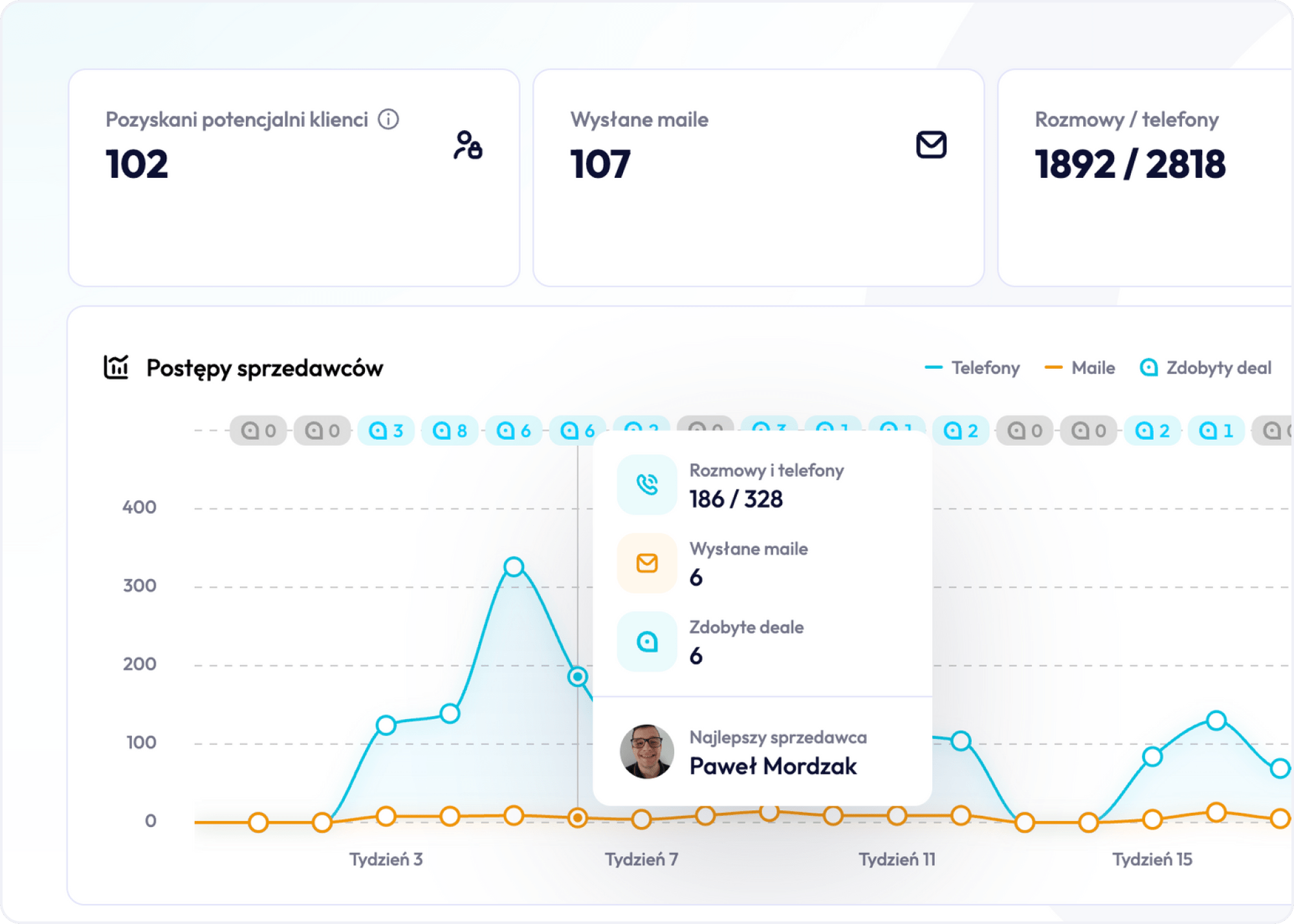
- Which marketing activities actually drive revenue?
The purpose of data analysis isn’t to create more reports. It’s to make better business decisions.
For example, one marketing channel might generate hundreds of leads but very few customers, while another produces fewer leads with significantly higher conversion rates. Without data, both channels appear equally successful. With data, the decision becomes obvious.
CRM platforms, Google Analytics, marketing automation software, and advertising platforms now provide visibility into every stage of the buyer journey. Together, they help businesses understand what’s working, what’s underperforming, and where future investment will generate the greatest return.
The best companies don’t ask,
“How many leads did we generate?”
They ask,
“Which activities generated customers?”
That’s the question that drives sustainable growth.
Measuring Customer Acquisition Performance
One of the most common marketing mistakes is measuring success by lead volume alone. Lead generation only reflects the very beginning of the customer journey. It says nothing about the quality of those leads or whether they ultimately become paying customers.
To accurately evaluate customer acquisition performance, businesses need to analyze the entire sales funnel. One of the most valuable metrics is the conversion rate between each stage of the buying process. This helps identify whether performance issues stem from attracting traffic, qualifying leads, or converting opportunities into revenue.
For example, a company may generate 500 leads every month. If only a handful progress to meaningful sales conversations, the problem probably isn’t lead volume. More often, it’s poor audience targeting, ineffective messaging, or weaknesses in the sales process itself.
Businesses should also monitor:
- Sales response time
- Campaign performance
- Conversion rates at every funnel stage
- Customer acquisition by channel
Looking at these metrics together provides a much clearer picture of what’s driving revenue—and what’s holding growth back. Regular performance analysis also enables businesses to identify problems early. Instead of discovering months later that marketing budgets have been wasted, teams can continuously optimize the customer acquisition process based on real data.
Customer Acquisition Cost: Measuring Marketing Efficiency
Generating more leads doesn’t automatically mean your marketing is becoming more effective. One of the most important metrics for evaluating sustainable growth is Customer Acquisition Cost (CAC). It measures how much a business spends on marketing and sales to acquire a single paying customer and answers one critical question: Is our customer acquisition strategy actually profitable?
Many campaigns generate impressive lead volumes while remaining financially unsustainable because acquisition costs are simply too high. On the other hand, channels such as SEO, networking, referrals, and content marketing often deliver customers at a much lower cost over time. That’s why marketing performance should never be measured by lead volume alone. The profitability of each acquisition channel matters just as much. Companies that scale successfully compare the performance of different marketing channels, campaigns, and sales initiatives on a regular basis, allowing them to invest more in activities that generate profitable growth while reducing spend on underperforming channels.
Your Existing Customers Are One of Your Greatest Growth Opportunities
Many businesses devote almost all their resources to acquiring new customers, even though some of their biggest growth opportunities already exist within their current customer base.
Building a customer database isn’t just about storing contact information in a CRM. A well-managed database provides valuable insights into purchase history, customer needs, expansion opportunities, and future revenue potential. Existing customers are almost always less expensive to sell to than acquiring entirely new ones. They’re also more likely to make additional purchases, recommend your business, and become long-term advocates.
That’s why customer service should never be viewed as a cost center. Responsive support, proactive communication, and strong relationship management create opportunities for renewals, upselling, cross-selling, and referrals. Unfortunately, many companies make the same mistake: once a contract is signed, customer engagement drops dramatically. As relationships weaken, customers become increasingly open to competing offers. The strongest organizations treat sales as an ongoing process, understanding that satisfied customers continue creating business value long after the initial deal is closed.
How to Acquire More Customers Without Increasing Your Marketing Budget
When growth slows, many businesses instinctively increase their advertising spend. More often than not, that’s the wrong first move.
Before investing in additional marketing, companies should evaluate the customer acquisition process they already have. Some of the biggest growth opportunities are hidden within existing systems. Improving conversion rates is a perfect example. If only 10 out of every 100 leads reach a sales conversation, even a small improvement can generate more revenue than launching another expensive advertising campaign.
The same principle applies to your existing customer base. Many businesses spend thousands acquiring new leads while overlooking referrals, customer retention, lead nurturing, and expansion opportunities already available to them. The most effective customer acquisition strategies aren’t necessarily about doing more—they’re about making better use of existing resources. By improving conversion rates, optimizing processes, and eliminating bottlenecks, businesses can increase revenue without increasing marketing spend. The companies that grow most consistently focus on improving the quality of their sales process rather than simply generating more traffic.
The Best Customer Acquisition Strategies at Every Stage of Business Growth
There is no universal customer acquisition strategy that works for every business. The most effective channels depend on your stage of growth, available resources, sales cycle, and target market.
Early-stage companies often achieve the best results through networking, referrals, and direct outbound sales. At this stage, the priority is learning about the market, validating the product, and building initial customer relationships. As businesses grow, long-term acquisition channels such as content marketing, SEO, and social media become increasingly valuable because they build brand awareness while creating a steady flow of qualified prospects.
More established companies typically expand their strategy by investing in marketing automation, advanced analytics, and paid advertising to scale customer acquisition without proportionally increasing headcount. The strongest acquisition strategies rarely rely on a single channel. Businesses that depend entirely on paid advertising, SEO, or referrals expose themselves to unnecessary risk as markets, algorithms, and customer behavior continue to evolve. Sustainable growth comes from diversification and continuous optimization across multiple acquisition channels.

Which Customer Acquisition Channels Will Matter Most in the Future?
Customer expectations continue to evolve, forcing businesses to rethink how they attract and convert buyers. Channels that performed well just a few years ago may no longer be enough on their own.
Educational marketing is becoming increasingly important as buyers expect expert insights, practical guidance, and valuable content long before engaging with a sales representative. At the same time, social selling, marketing automation, and data-driven decision-making are becoming standard components of successful customer acquisition strategies. Organizations that effectively combine these capabilities gain a significant competitive advantage by identifying opportunities earlier and responding more intelligently to buyer behavior.
Despite rapid advances in technology, human relationships remain just as important. Networking, referrals, and trust continue to be among the most effective customer acquisition channels, particularly in B2B markets where purchasing decisions involve multiple stakeholders. Regardless of which channels a business prioritizes, companies that continuously measure performance, understand their customers, and refine their strategy consistently outperform those that rely on a single source of leads.
Conclusion
Successful customer acquisition isn’t built around a single marketing channel or one high-performing campaign. The companies that grow consistently combine multiple acquisition strategies, build a structured sales process, and continuously optimize performance using data.
Whether growth comes from content marketing, SEO, social selling, paid advertising, networking, or referral programs, long-term success depends on understanding customer needs and refining every stage of the buyer journey. When strategy, data, and relationship-building work together, businesses don’t just acquire more customers—they build a scalable, predictable growth engine that supports long-term success.